קורס בינה מלאכותית : RB20 – שיעור 3 Time series ולמידת מכונה
יצירת VIRTUAL ENV

הרצת ה ENV
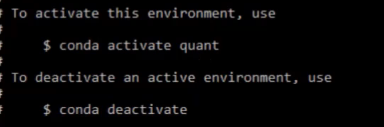
conda create –name env_image1 python=3.5.4
conda activate env_image1
conda info –envs
למשל
D:\TWS API\source\pythonclient
הסדרות אינם מציטות ל GUASS-MRKOV בניגוד למידע ריגרסיה ליניארי
index2018.csv ייש להורדי

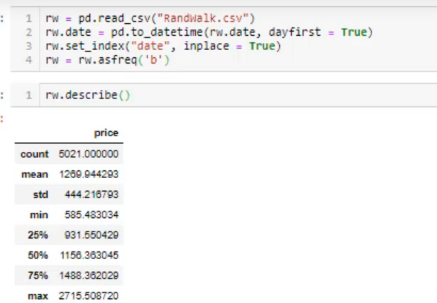
נבדוק בצורה ראשונית את הנתונים
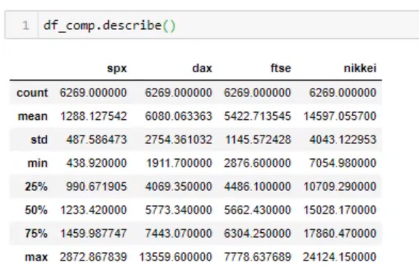
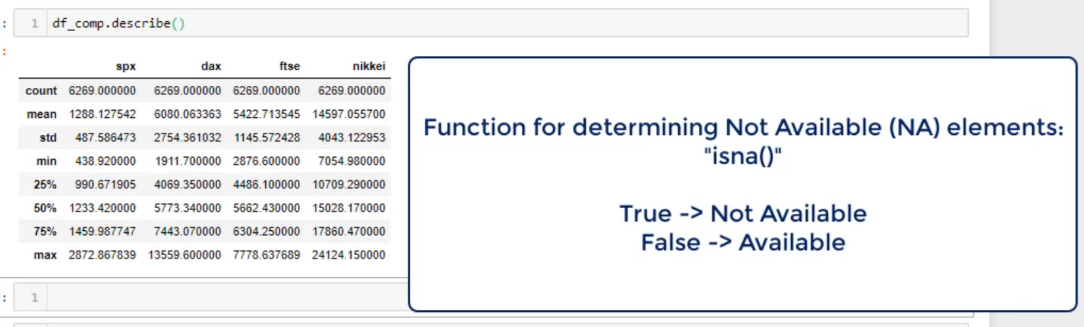
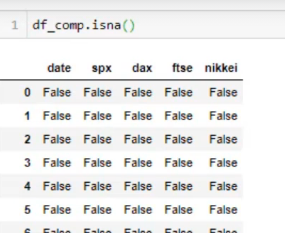
נריץ בדיקה איפה חסר נתונים :
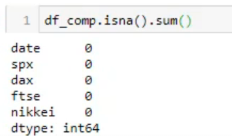
פניה ישירה לעמודה
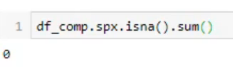
הדפסת הערכים
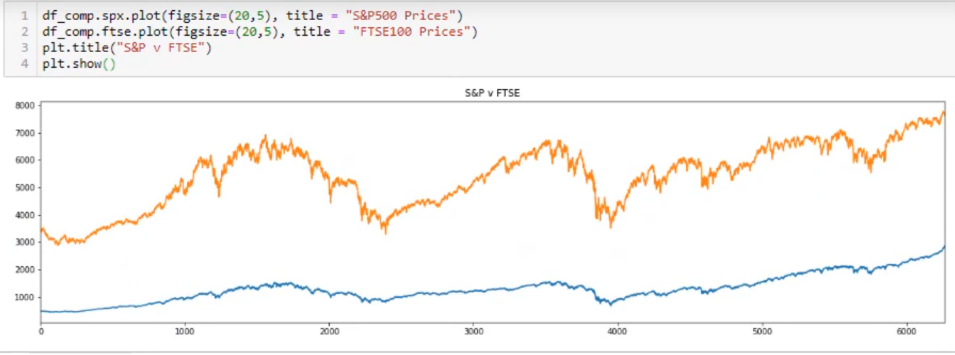
קרולציות בין שתי סדרות זמן
QQ PLOT


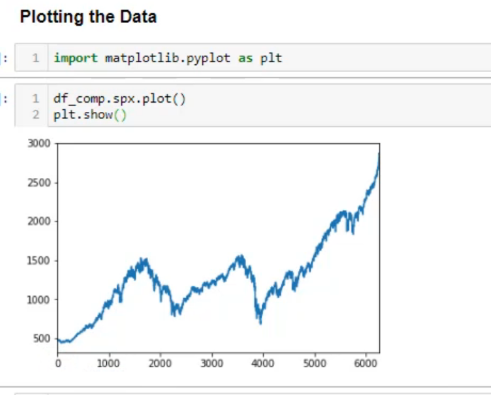
ציך ה Y מראה ערך למשל מחיר מ 0 עד 3000
ציר ה X מראה את כמות הפיזור – יש לבדוק לעומק התפלגות זאת
DATE
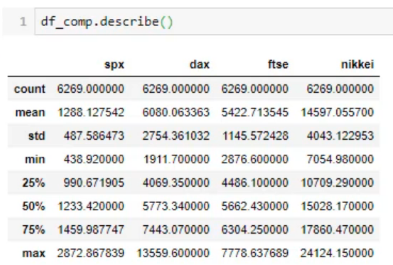
נמיר את הזמן מצב טקסט למצב תאריך
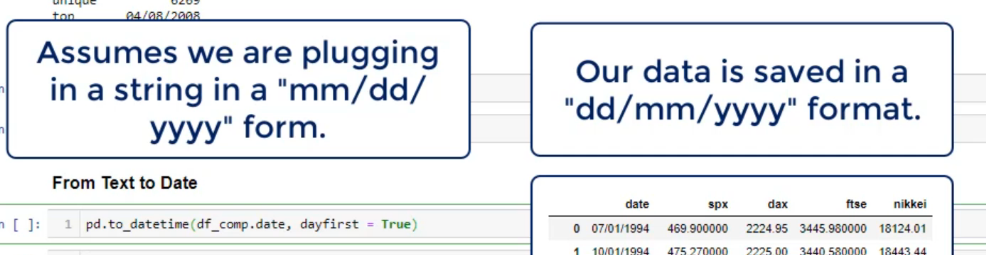
נכניס לתוך משתנה

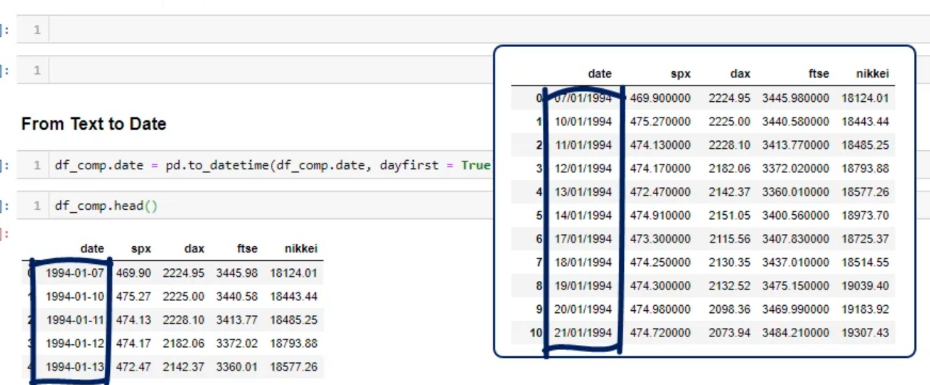
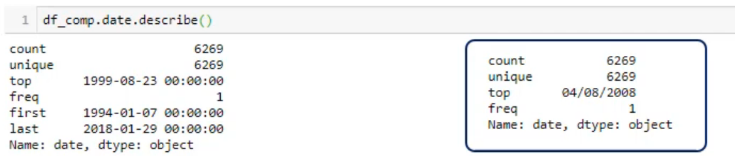
עכשיו נקבל מידע בצורה טובה – שנוכל לבצע ניתוח
יצרית אינדקס DATE

בגלל שהם אינדקס
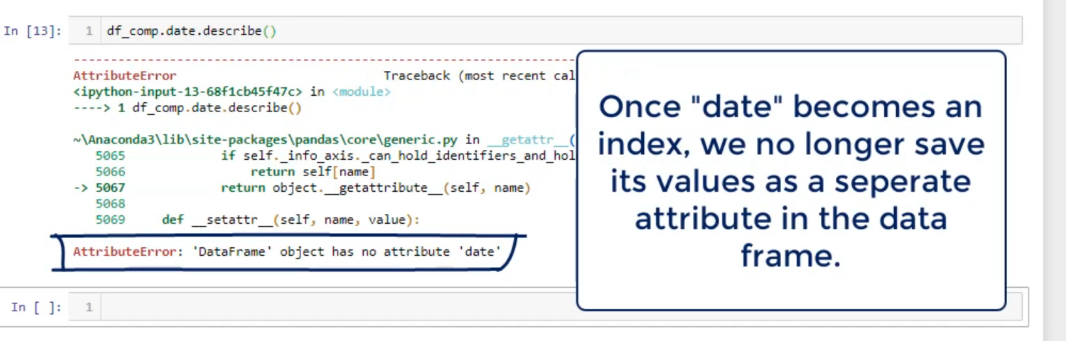
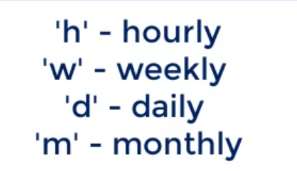

re kph hnh gcsuv
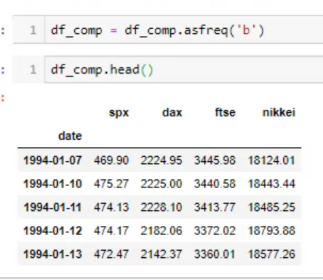

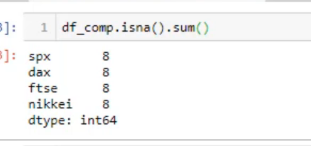
ממלאים תאים חסרים לפי תא לפני או תא אחרי ועוד

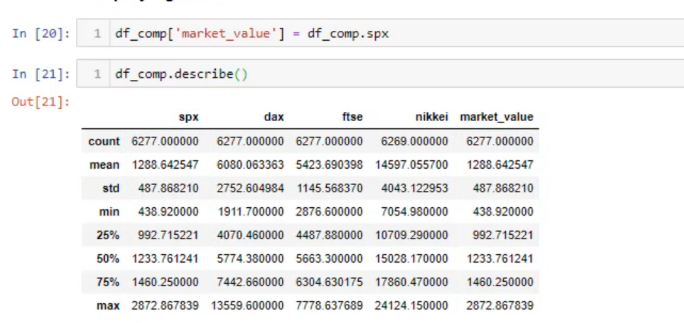
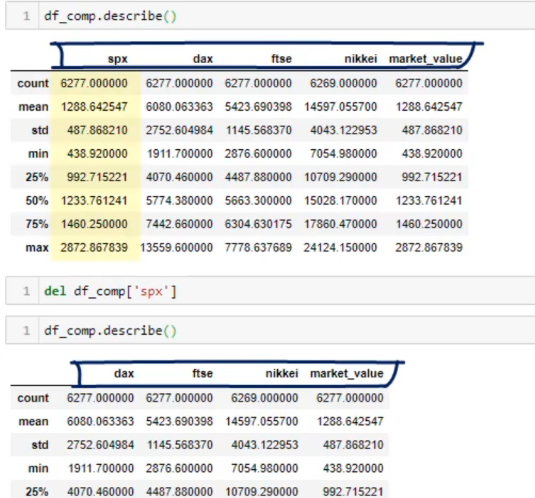
פיצול דאטא פריים עבור למידת מכונה

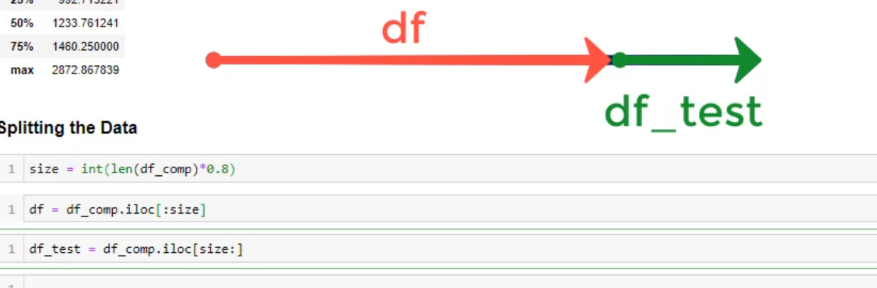
בדיקה שאין OVER LAPPING

ניצור רעש לבן על DATAFRAME קיים


על מנת להשוות סדרות צריך שיהיה להם אותו אורך ואותו גובה
רעש לבן

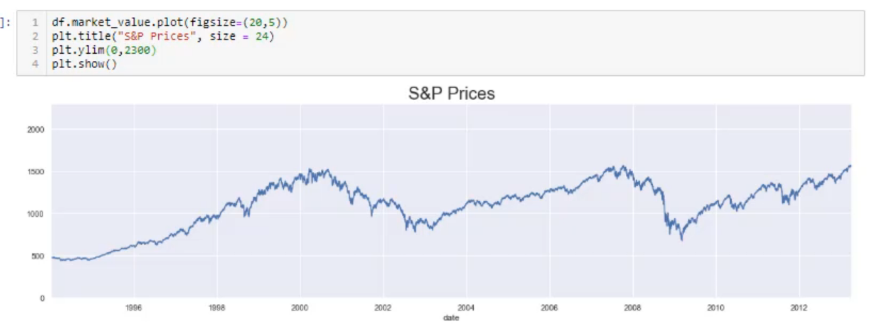
,
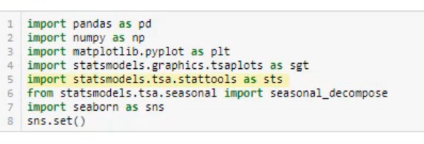
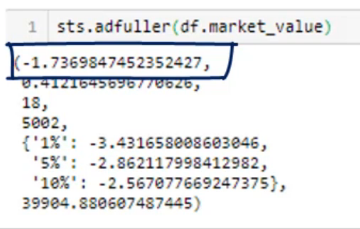
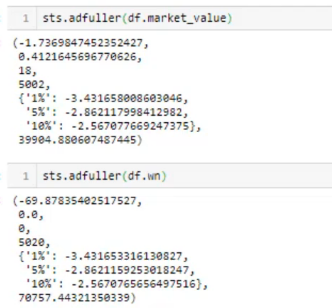
Stationarity
here are some examples of stationary and non-stationary time series:
- Stationary Time Series:
An example of a stationary time series is a series of annual rainfall measurements over many years in a region where the climate remains relatively constant. In this case, the mean, variance, and autocovariance of the rainfall measurements remain constant over time.
- Non-Stationary Time Series:
An example of a non-stationary time series is a series of monthly temperature measurements over many years in a region that experiences seasonal changes. In this case, the mean temperature, variance, and autocovariance of the temperature measurements change over time due to seasonal fluctuations.
Another example of a non-stationary time series is a stock price series that shows an increasing or decreasing trend over time. In this case, the mean of the series is changing over time, which violates the stationarity assumption.


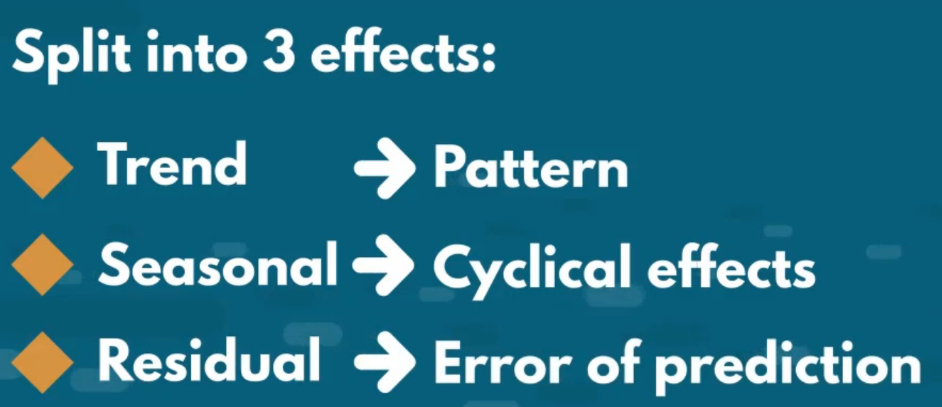

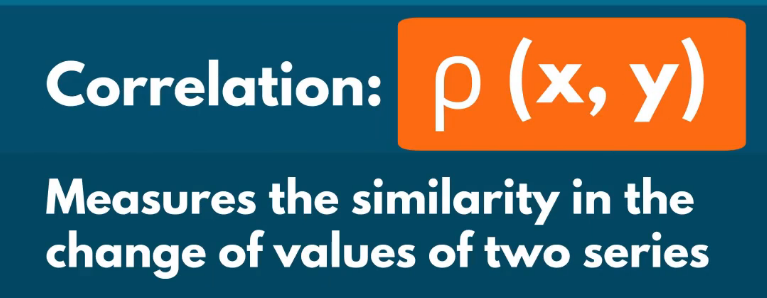
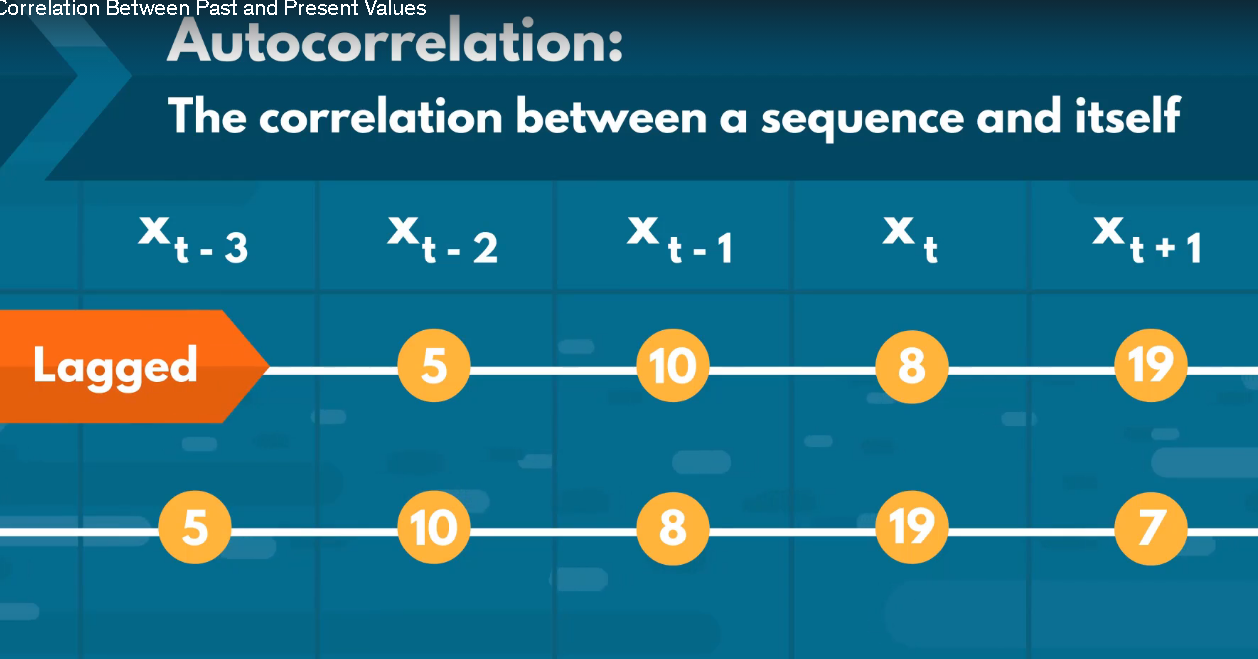
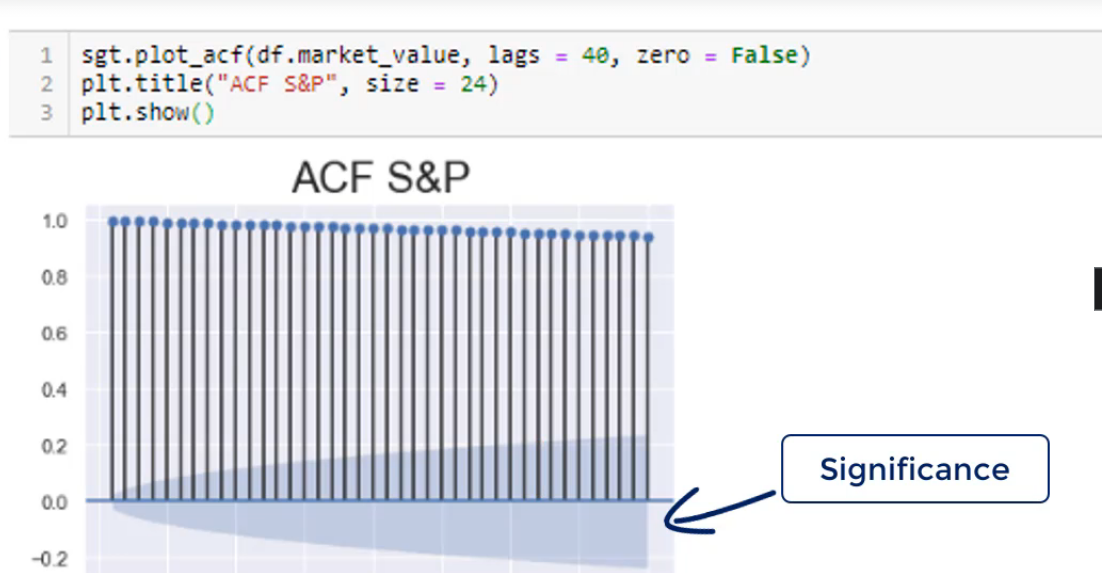
ACF- Autocorrelation

20. Setting the Frequency
About the Author